
FigPad 博客
博客
阅读我们最新的产品功能、解决方案和更新内容。
12 Graphical Abstract Examples That Actually Work (2026)
12 graphical abstract examples generated in FigPad: workflows, mechanisms, loops and style variants, with notes on titles, plots and thumbnail legibility before you submit.
RGB or CMYK for Journal Figures in 2026?
RGB or CMYK for journal figures in 2026? What Nature and PLOS ONE say about colour mode, what Elsevier's artwork page does and doesn't specify, and a safe default.
Graphical Abstract Size and Format Requirements by Journal (2026)
Graphical abstract size and format requirements for Elsevier, Cell Press, ACS and Wiley in 2026, side by side, with the file types, fonts and traps that get images resized.
SVG vs PNG vs TIFF vs EPS for Journal Figures: The 2026 Decision Table
SVG vs TIFF vs EPS vs PNG for journal figures in 2026: what Nature, Elsevier and PLOS ONE list as accepted, a decision table by figure type, and how to convert.

Elsevier Graphical Abstract Requirements in 2026: Size, Format and AI Rules
Elsevier graphical abstract requirements in 2026: 1328 × 531 px minimum at 300 dpi, 500:200 ratio, TIFF/EPS/PDF/Office files, and its rule on generative AI tools.

How to Disclose AI Use in Figures and Methods Sections (2026)
How to disclose AI-generated figures in 2026: where it goes (caption, AI declaration, Methods, cover letter), what to include, and copy-paste templates.
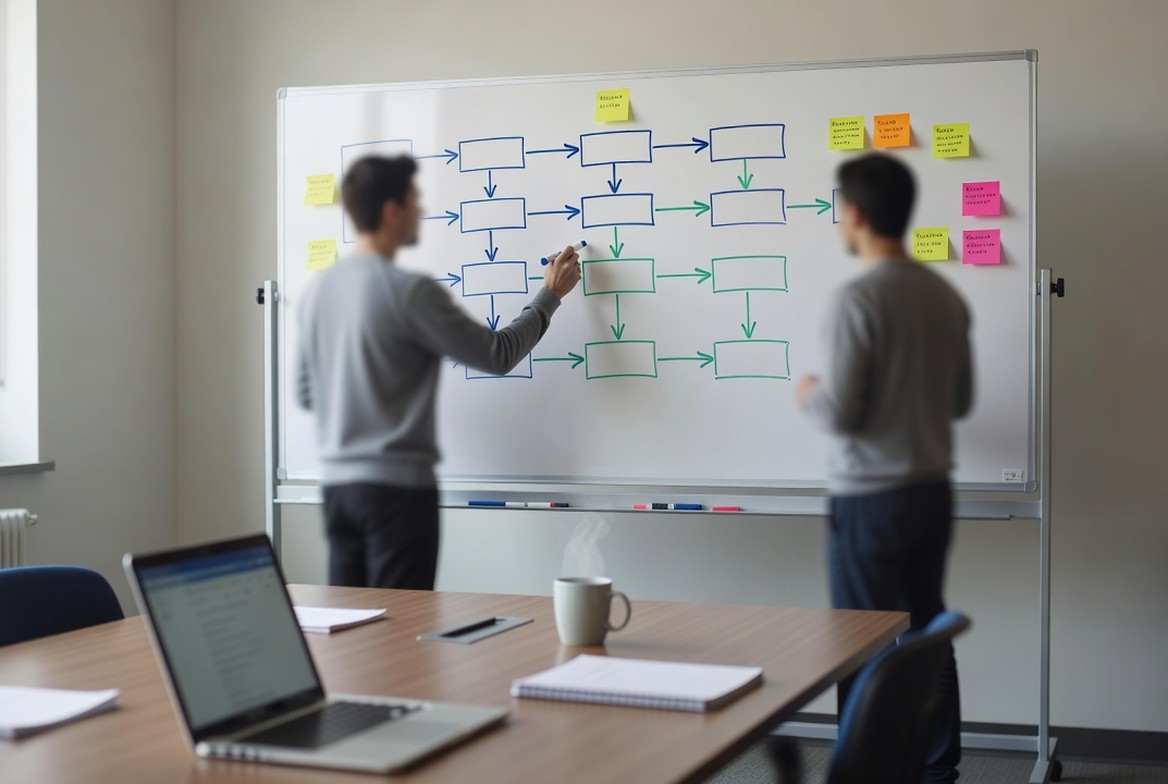
How to Make a Graphical Abstract in 2026: A 7-Step Guide
How to make a graphical abstract in 7 steps: read the journal spec, pick one message, sketch the flow, build it, simplify, export to size, and disclose AI use.
Can You Use AI-Generated Images in a Paper? 2026 Journal Policies Compared
Can you use AI-generated images in a 2026 paper? Elsevier, Springer Nature, T&F, Science and Wiley policies compared — with primary links checked 2026-11-06.

Cell Press Figure Guidelines in 2026: What Gets Your Artwork Rejected
Cell Press artwork rules in 2026: DPI minimums by art type, the graphical abstract specs that only appear at final materials, and what sends figures back.

Elsevier Artwork Requirements 2026: Formats, DPI, and Passing AQC First Time
Elsevier artwork rules in 2026: dpi minimums by art type, the 90/140/190 mm column widths, 7 pt lettering, and what each Artwork Quality Check verdict means.
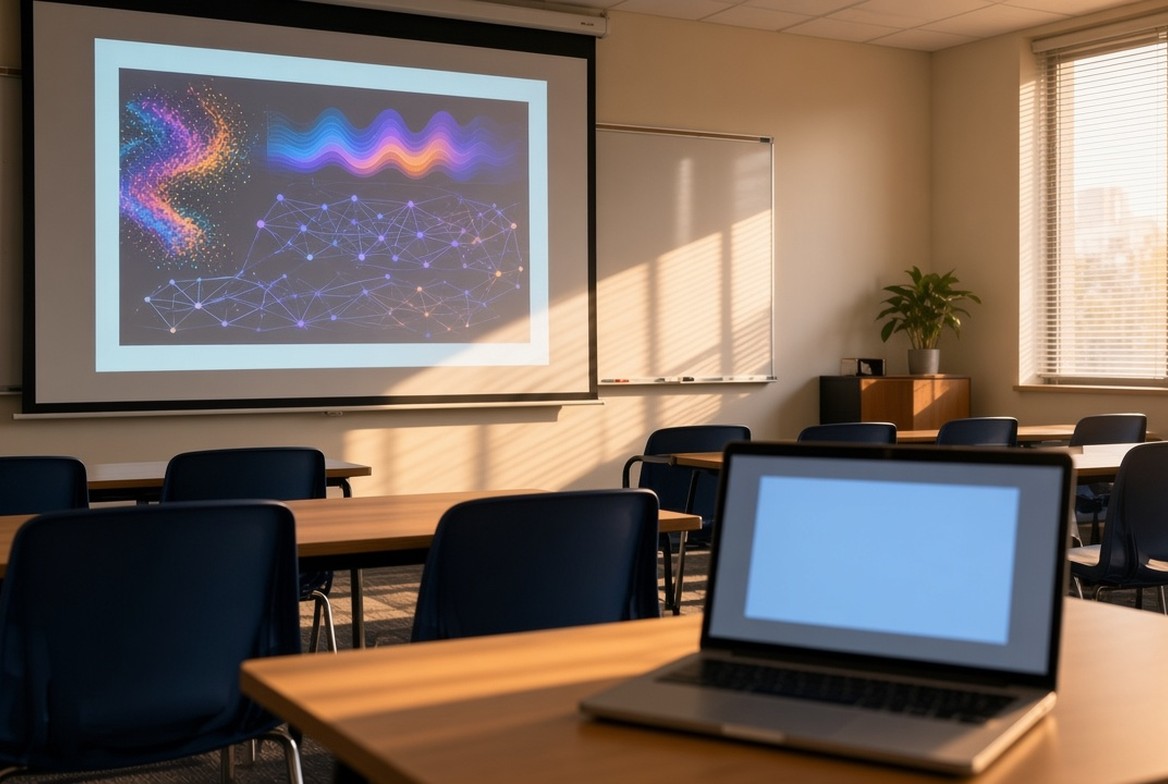
Export Scientific Figures to Editable PPTX for Lab Meetings and Talks (2026)
How to get scientific figures into PowerPoint as editable objects in 2026 — PPTX vs layered SVG vs flat PNG, what each tool exports, and what journals accept.
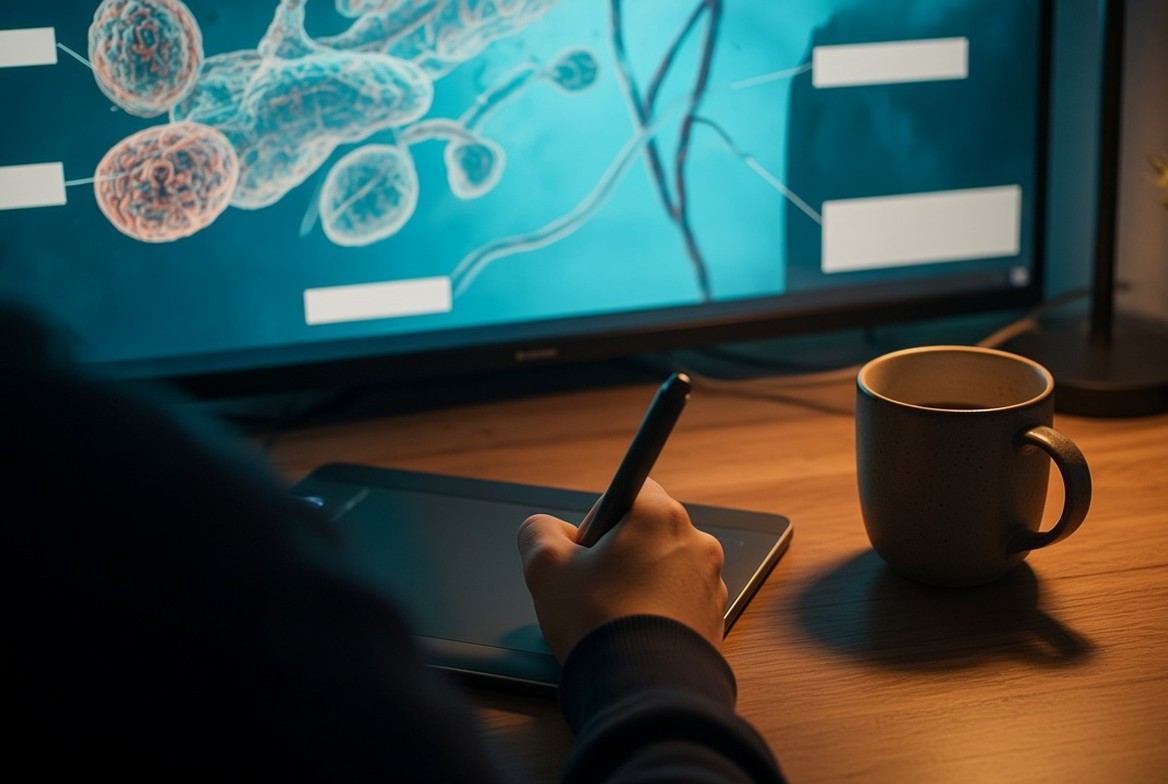
How to Edit Labels in an AI-Generated Scientific Figure (2026 Guide)
A practical 2026 guide to changing labels in an AI-generated figure — file triage, Inkscape and Illustrator steps, PNG fallbacks, and the traps that break type.
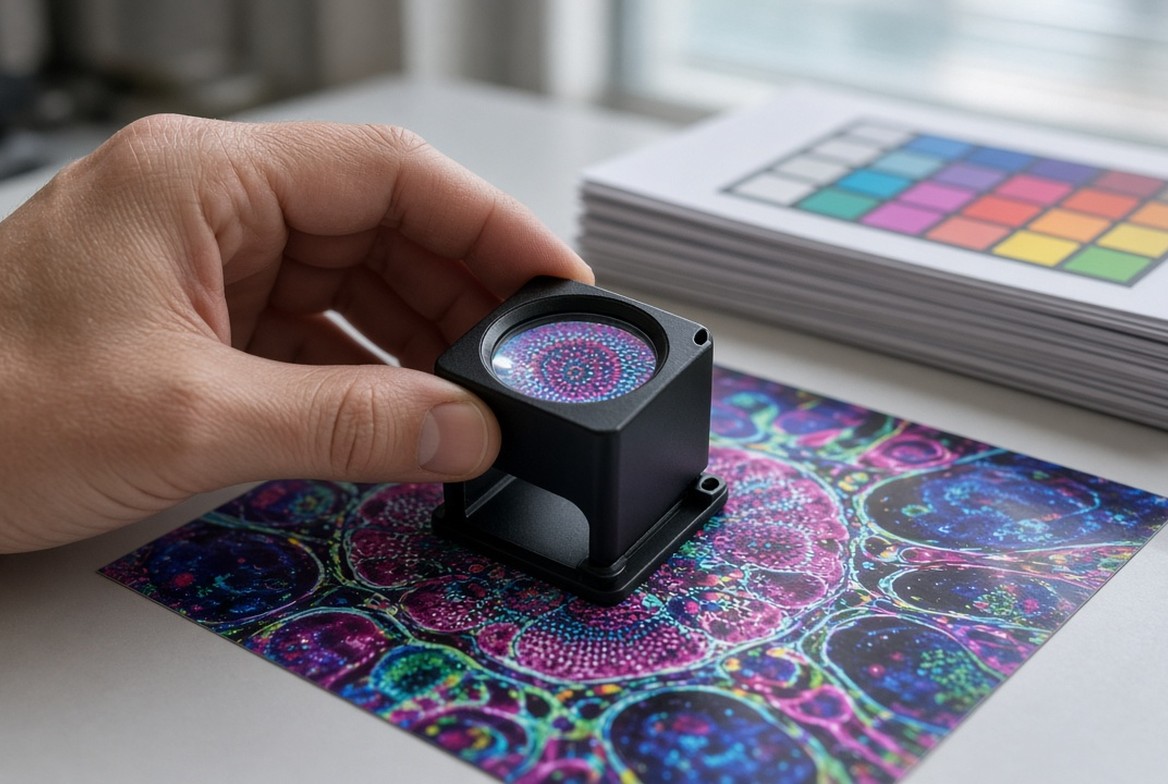
Journal Figure DPI Requirements in 2026: 300, 600, and When Vector Wins
Exact 2026 DPI minimums from Nature, Cell Press, Elsevier, Cambridge, PLOS and IEEE, plus the pixel math that decides when vector beats any DPI number.
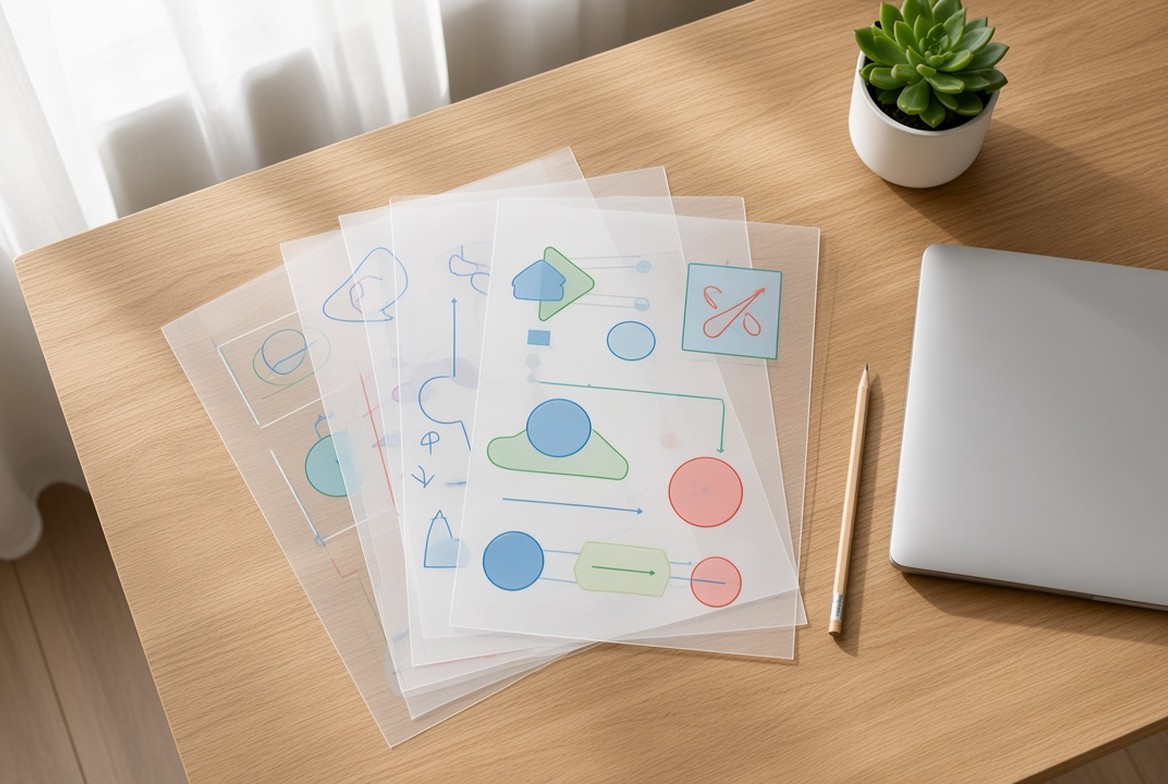
Layered SVG for Scientific Figures in 2026: Why Every Label Should Be Its Own Object
A layered SVG keeps every label as real text and every arrow as a real path. Here is how to test yours, and which format journals actually accept in 2026.

Nature Figure Guidelines 2026: Size, Fonts, DPI, and File Formats Explained
Nature's 2026 figure guidelines decoded: 89 and 183 mm column widths, 5–7 pt Arial, 300–600 dpi, vector PDF or EPS, and why figure text must stay editable.
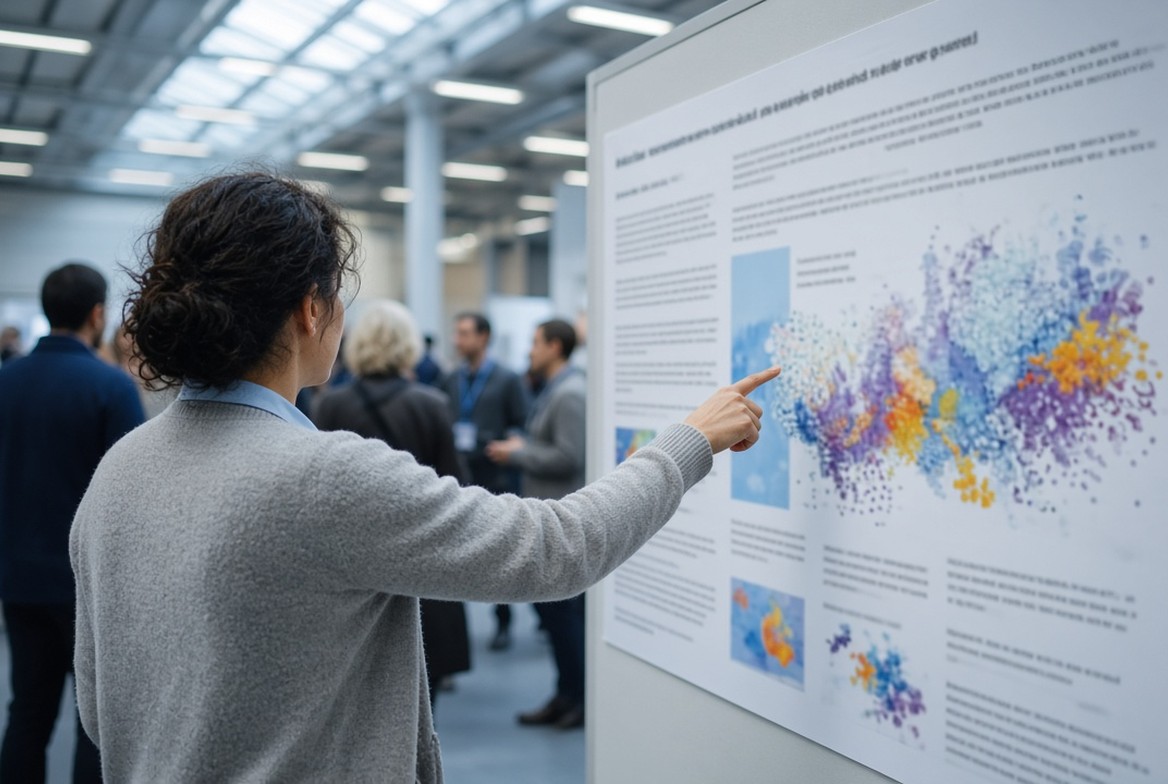
Science (AAAS) Figure Requirements in 2026: A Practical Submission Checklist
What AAAS asks of your figures at each stage: figure limits, fonts, integrity rules, the specs that only appear at revision, and a 12-point pre-upload check.
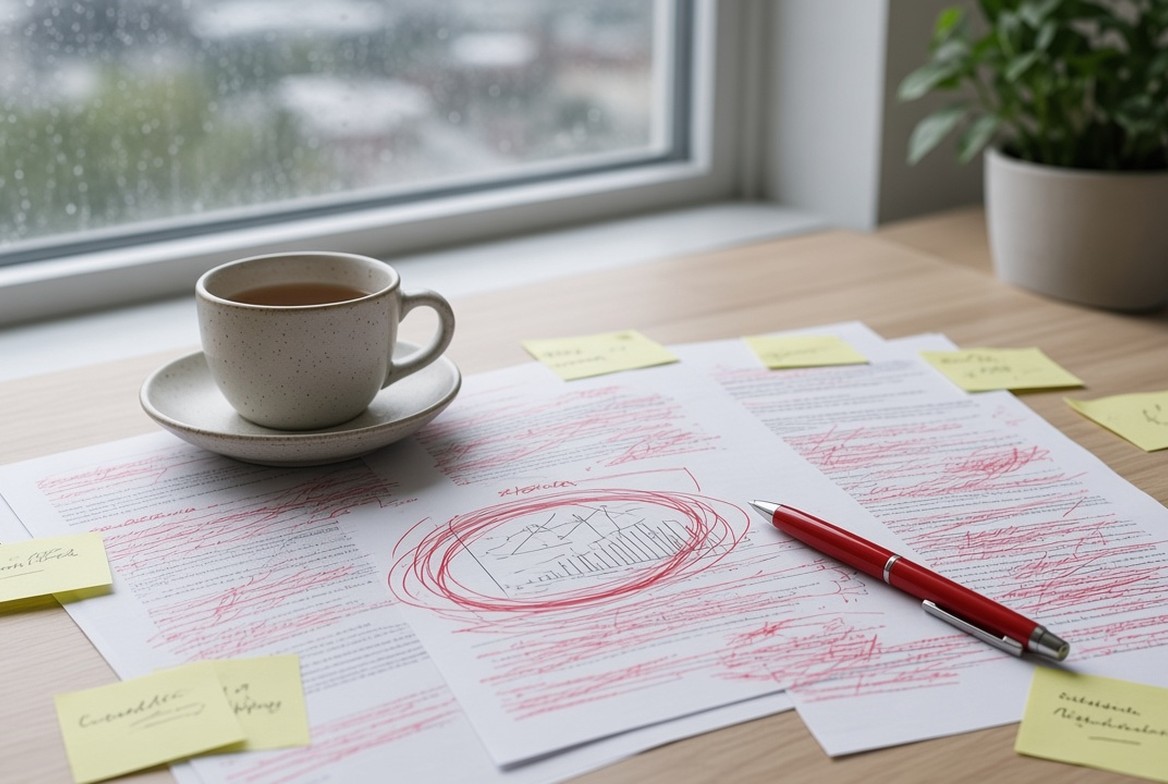
Surviving Reviewer Figure Revisions: A 2026 Workflow That Doesn't Restart From Zero
A reviewer wants one label changed. Here is a 2026 figure revision workflow that edits the source instead of redrawing, plus the file rules journals enforce.

Why Flat AI Images Fail Journal Revisions in 2026 (and What Editable Actually Means)
Flat AI images break at revision because journals want live text, embedded fonts and adjustable strokes. Here is what editable really means at file level.
Switching Away From BioRender in 2026: A Migration Checklist for Labs
A 2026 checklist for labs leaving BioRender: export publication licences before renewal, plan for preview-only lockout, handle Lab seats, keep citations valid.

Choosing a Figure Tool on a Lab Budget: A 2026 Decision Framework
A 2026 framework for choosing a scientific figure tool on a lab budget: seat vs credit pricing, cost per finished figure, and what grants actually cover.

Cheapest BioRender Alternatives for Students and Postdocs in 2026
BioRender's student plan is $180/year and its undergrad tier can't publish at all. Here's what the cheapest 2026 alternatives really cost per finished figure.
8 AI Graphical Abstract Generators Compared (2026): Output Formats Matter Most
Eight AI graphical abstract generators compared as of September 2026 — ranked on the thing that decides your revision: SVG, PPTX, TIFF and publication rights.

Can You Publish BioRender Free Plan Figures? The 2026 Licensing Answer
No — BioRender's free plan blocks journal publication. The 2026 rules on watermarks, export timing, author position, CC BY, and what upgrading really costs.
The Best AI Scientific Figure Generators in 2026, Ranked by Editability
Eight AI scientific figure generators ranked by what survives a reviewer's revision: layered SVG, editable PPTX, or a flat PNG. Prices checked September 2026.
Inkscape for Scientific Figures in 2026: Free, Powerful, and Slow — Here's the Tradeoff
Inkscape is free and exports every vector format journals ask for. An honest 2026 look at what it does well, where the hours disappear, and when to switch.

SciDraw, Scienceslides and Other Free Figure Libraries: 2026 Comparison
SciDraw, ScienceSlides, NIH BioArt, Servier and Bioicons compared for 2026: real licenses, real export formats, and where free icon libraries stop helping.

Why ChatGPT and Midjourney Can't Make Publishable Scientific Figures (2026)
ChatGPT and Midjourney return flat raster images. Nature wants editable vector text, Springer Nature bans AI images, and Elsevier restricts them. Here's why.

Can You Use Canva for Scientific Figures in 2026? Honest Limits and Better Options
Canva works well for posters and slides, but journals want vector figures with editable text. Here is exactly where Canva's exports pass and fail in 2026.

BioRender vs Adobe Illustrator for Scientific Figures (2026 Comparison)
BioRender vs Adobe Illustrator in 2026: real prices, export formats, and the vector handoff problem nobody warns you about before your first revision.

Mind the Graph Alternatives in 2026 for Editable Scientific Figures
Six Mind the Graph alternatives compared for 2026, ranked by what you can still edit after export: layered SVG, PPTX, publication rights and real prices.